Guía directa sobre bonos de reembolso en casino 2026: qué son, cómo calcular su valor real, operadores legales en España y errores que debes evitar antes de aceptar un cashback. leer la guía de bonos de reembolso en casino 2026


Every streetwear label starts from an origin story, but turning that story into a lasting identity is something not every label manages. We Are Righteous has used its formative years doing exactly that — building a name that shoppers now search for directly rather than stumbling across by accident. People typing «righteous clothing» or «we are righteous review» into a search engine are, typically, looking for one of two answers: confirmation that the brand comes through on quality, or a feel of its place among the saturated field of independent streetwear labels. This piece traces that journey, the decisions that gave it form, and what the brand appears as heading into 2026.
Making sense of this evolution matters because the streetwear world is a fast-paced category. Names in the space rise on a lone viral hoodie and vanish within eighteen months. For years, some brands toil away, honing cut and material, long before anyone beyond a niche audience takes note. We Are Righteous belongs to that second group, and that steadiness is part of why the brand now gets discussed alongside more well-known labels when people compare a righteous clothing brand against its peers.
A compact catalog paired with a distinct aesthetic, instead of a wide product range, defined the beginning of We Are Righteous, as with most independent labels. As the brand tested what appealed to buyers, those first lineups relied on bold, message-led designs and a restrained color palette, which kept production controlled. A common and sensible strategy for emerging apparel companies entails tightening the range, adapting quickly, and avoiding overextension on inventory before demand is confirmed.
Back in those early seasons, the brand’s core identity revolved around «righteous» as a word in itself — a purposeful move that granted the label a voice different from generic streetwear naming conventions. Rather than falling back on abstract acronyms or slang pulled from elsewhere, the founders developed a vocabulary grounded in conviction, self-belief, and independence from trend cycles. That messaging showed up consistently across drops, which helped early customers recognize the brand even before logo placement became standardized.
Startups in apparel typically fail for one of three reasons: inconsistent quality, poor cash flow from overproduction, or a lack of clear identity. We Are Righteous avoided the third problem early by committing to a voice and sticking with it season after season. That consistency gave the brand room to fix production issues without confusing its audience about what it stood for.
In the case of We Are Righteous, the hooded pullover emerged as the flagship item that every street-style label sooner or later requires. A righteous hoodie is currently one of the most in-demand, repeatedly-replenished items in the lineup, and understandably so: hoodies showcase artwork effectively, perform in multiple seasons, and hand a brand a surface ample enough for bold visuals without leaning on add-ons.
We Are Righteous’s clothing approach widened progressively around that anchor piece. T-shirts arrived first as a lower-cost entry point for new customers, succeeded by thicker fleece garments, then outerwear as the collection developed. That kind of expansion is common in streetwear, but how quickly it happens matters a great deal — moving too fast into areas such as footwear or accessories before the main clothing line has earned trust can water down a new label’s character. We Are Righteous apparel has stayed close to its roots: hooded pullovers, tees, and fleece pieces stay at the core of the line while new shades and silhouettes are released each cycle.
Sizing reliability is a further area where the brand has had to develop. Early streetwear startups often struggle with fit that shifts between drops because multiple production partners are involved or tweaking patterns often. One part of maturing from hype item to «staple» label has involved tightening up that inconsistency so loyal buyers have a reasonable sense of what’s coming from each new release.
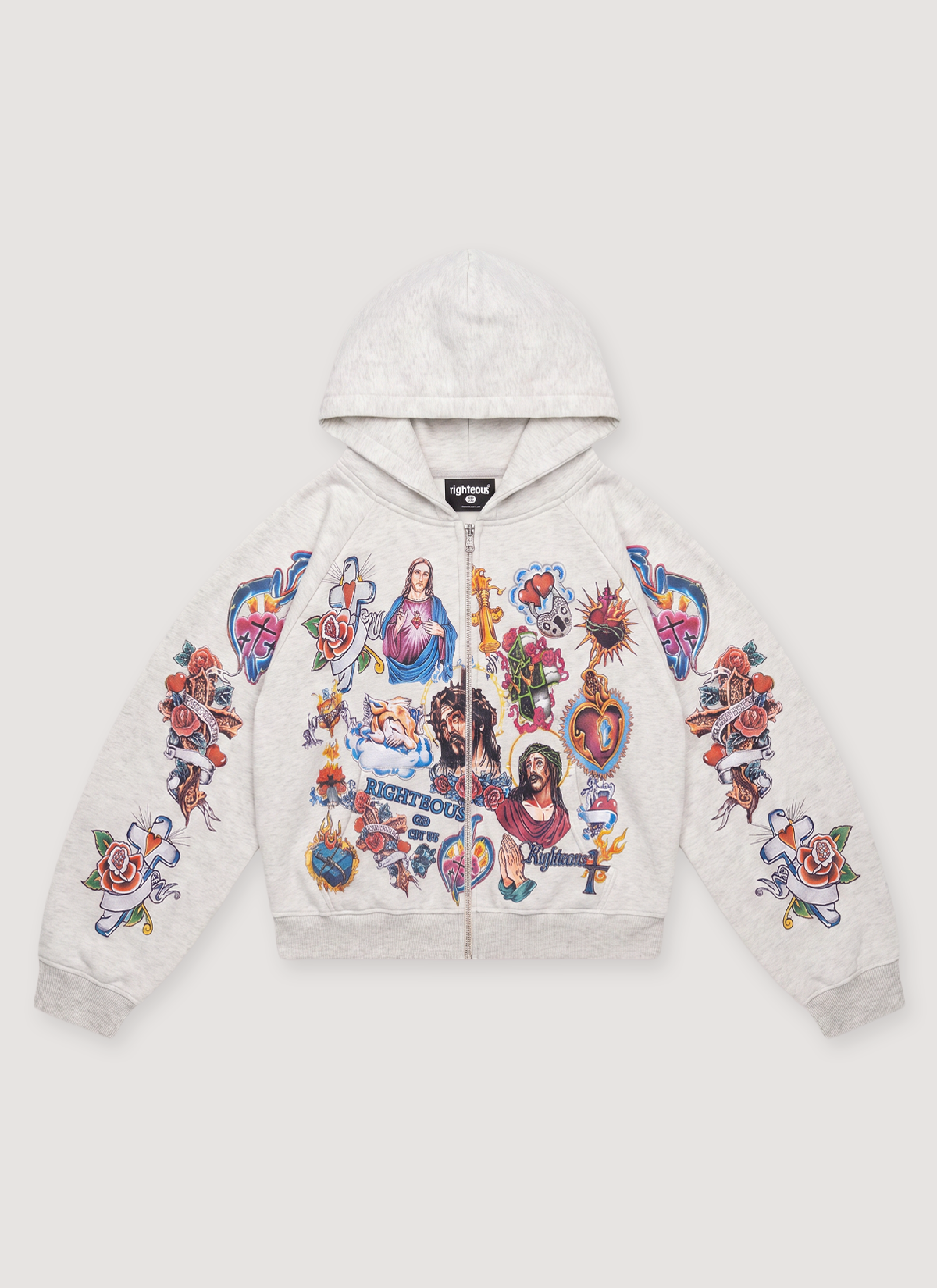
Search volume tied to «righteous review» and «we are righteous review» has increased along with the label’s profile, which is common once a label transitions from niche status to wider recognition. Feedback on independent streetwear labels typically group around three key concerns: material weight, longevity of the print, and sizing accuracy. Shoppers researching We Are Righteous specifically want to know whether the garments justify their price point compared to both budget fast-fashion staples and upscale streetwear brands.
Across this category, the feedback pattern is fairly consistent — thicker fleece is well-received, lightweight or overstretched cotton is called out, and screen print quality is judged by whether it cracks or fades after repeated washes. Brands that survive their first few years and build a loyal repeat-customer base are typically the ones that tackle these particular issues fast rather than ignoring them. This kind of attentiveness is what separates a label worth reviewing from one that disappears after a single hype cycle.
It’s also worth pointing out that the tone of reviews changes as a brand develops. In the beginning, reviews typically zero in on newness and look — is the graphic on point, is the drop exciting. Once a brand has been around longer, later reviews move toward long-term wear and reliability — does the hoodie hold up after a year of use, does the sizing match what was advertised the first time around. Put differently, the blend of these two kinds of feedback points to We Are Righteous having progressed past the «new brand» stage toward something more mature.
Positioning matters in streetwear, where dozens of brands compete for the same customer attention with similar silhouettes. The table below breaks down general category positioning — not exact pricing, since that varies by drop and retailer, but the structural differences that typically separate an independent label like We Are Righteous from mass-market and ultra-premium alternatives.
| Breakdown Area | Fast-Fashion Basics | Righteous Is What We Are | High-End Streetwear Labels |
|---|---|---|---|
| Production model | High-volume, never-ending resupply cycle | Restricted, structured around scheduled drops | Scarce, typically fueled by co-branded projects |
| Identity emphasis | Bare-bones, reactive to what’s popular | Rooted in a clear message, steady tone | Designer-driven, creative-first framing |
| Flagship item | Essential tee styles | Hooded pullovers and fleece staples | Changes with every collection |
| Community engagement | Minimal | Expanding, direct-to-consumer focused | Elevated, though limited by exclusivity |
| How reachable it is | Widely available | Fairly accessible | Low |
Buyers researching options before committing to a purchase rely on this sort of contrast, which is specifically why this positioning counts. A label that occupies the middle ground — more considered than fast fashion, more accessible than high-end designer streetwear — has to earn shopper confidence through reliability rather than scarcity alone. That’s the space We Are Righteous has built for itself, and it’s a harder space to sustain in the long run because it calls for both quality craftsmanship and disciplined communication in tandem.
By 2026, the streetwear industry has grown far more packed than it was five years earlier, with social channels making it easier than ever for a fresh label to launch and tougher than it’s ever been for a label to rise above the noise past its opening year. Trust, not novelty, is now the true competitive edge for brands that have made it this far, including We Are Righteous: loyal shoppers who know the fit, the fabric weight, and the brand’s message well enough to purchase without repeated persuasion.
This pivot redefines what «growth» looks like for the brand moving ahead. Rather than pursuing each passing trend, the more grounded path is sharpening what already works: building up the hoodie line, dialing in size consistency, and expanding apparel that coordinates seamlessly with existing pieces rather than launching unrelated one-off items. Companies that dilute their focus at this juncture often sacrifice the consistency that established their audience originally.
Compared to the brand’s earliest seasons, the communal side of things now matters more. Streetwear customers in 2026 demand more direct engagement — behind-the-scenes context on drops, forthright communication about restocks, and a sense that the brand’s message isn’t just marketing copy but something the company genuinely lives by. For a label built around the idea of «righteous» as more than a name, that alignment between message and practice is the real test of longevity.
What began as a humble, message-driven startup has, over time, earned the kind of recognition that lets it be regarded as a true streetwear staple rather than a passing name. The hoodie remains the cornerstone, the identity remains steady, and the reviews — both initial buzz-fueled ones and later durability-focused ones — tell a consistent story of a brand that has grown purposefully rather than haphazardly. A single viral drop is easier to achieve than that, and it’s the explanation for why We Are Righteous continues to come up in conversations about which independent labels are genuinely built to last.


Descubre cómo funcionan las 100 tiradas gratis sin depósito en 2026, qué casinos españoles las ofrecen y qué condiciones debes revisar antes de aceptar el bono. leer la guía sobre tiradas gratis sin depósito
Guía práctica para entender y aprovechar las promociones de 50 tiradas gratis sin depósito en casinos online españoles en 2026, con comparativa de operadores, requisitos y consejos. leer la guía de 50 tiradas gratis sin depósito
Guía actualizada del Casino Barcelona presencial y de los mejores operadores online con licencia DGOJ para jugar desde Barcelona en 2026. Comparativa, legalidad, bonos y pagos. lee la guía completa sobre casino barcelona online 2026
Guía sin humo sobre la licencia de Anjouan en 2026: qué es, cómo verificarla, riesgos legales en España y comparativa con marcas reales. Sin cifras inventadas. lee la guía de casinos con licencia Anjouan 2026
Guía completa sobre casinos online con licencia de Gibraltar en 2026: legalidad en España, mejores operadores, bonos, pagos y cómo elegir con criterio. lee la guía completa sobre casinos con licencia de Gibraltar en 2026
Descubre cómo funcionan las ofertas exclusivas de afiliados en casinos online españoles en 2026, qué operadores ofrecen las condiciones más transparentes y cómo evitar las trampas de la letra pequeña. casino con ofertas exclusivas afiliados 2026
Análisis actualizado de Casino Gran Madrid Online en 2026: licencia, bonos, juegos, pagos y comparativa con operadores legales en España. leer la guía de casino gran madrid online 2026
Descubre los mejores casinos online con ingreso mínimo de 1 euro en 2026: comparativa de bonos, licencias, métodos de pago, legalidad y consejos para jugar con seguridad. leer la guía de casinos con ingreso mínimo de 1 euro
Guía actualizada sobre casinos online con ingreso mínimo de 5 euros en 2026: comparativa de operadores legales, bonos, métodos de pago y recomendaciones para jugar con poco dinero. leer la guía de casinos con ingreso mínimo de 5 euros